Schedule Electronics Recycling Services for Secure Data Destruction
Eco-Friendly Approaches: How E-Waste Recycling Services Are Preserving Our Planet
E-waste represents a considerable hazard to the environment, as disposed electronics frequently harbor hazardous substances. Such dangerous compounds can pollute soil and water supplies, leading to broader ecological damage. Electronic waste recycling programs offer an effective remedy. They successfully retrieve useful resources while simultaneously minimizing environmental pollution. Gaining insight into how these programs function and affect local communities is critical. The path to successful electronic waste management prompts vital discussions about personal accountability and communal efforts. What steps can be taken next?
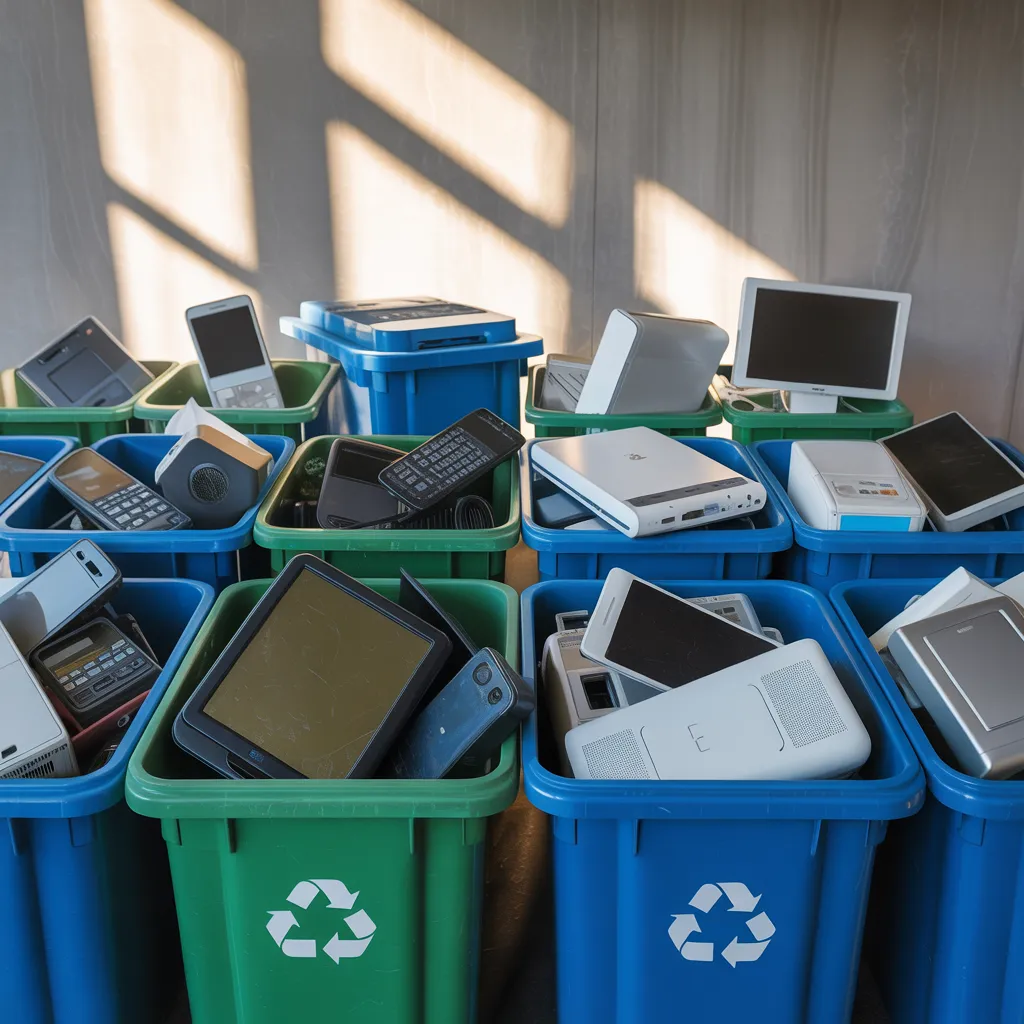
Why E-Waste Is Bad for the Planet
While technological advancements improve contemporary living, e-waste creates considerable environmental hazards. Discarded electronic devices, frequently composed of toxic substances including mercury, lead, and cadmium, can leach toxins into soil and groundwater, presenting dangers to human health and ecosystems. The rapid pace of technological advancement leads to greater consumer replacement of electronic devices, exacerbating the accumulation of electronic waste.
Landfills, already burdened with waste, struggle to accommodate the growing volumes of discarded gadgets. Incineration, another disposal method, releases harmful pollutants into the atmosphere, contributing to air quality degradation. Moreover, poor recycling procedures can cause e-waste to be sent to developing regions, where employees may disassemble electronics without sufficient safety precautions, leaving them vulnerable to harmful substances. This pattern of negligence and mismanagement highlights the critical demand for eco-friendly recycling alternatives that can reduce the damaging impact of electronic waste on the environment.
What Is E-Waste and Why Is It Important?
E-waste, or electronic waste, includes obsolete electronic products including smartphones, computers, and televisions that have reached the end of their useful life. This rapidly expanding waste category is noteworthy because of its swift buildup, driven by technological advancements and consumer trends. With an increasing number of devices reaching obsolescence, the environmental impact intensifies, with harmful substances like lead, mercury, and cadmium threatening both ecosystems and public health.
Addressing e-waste is crucial not only for reducing these dangers but also for acknowledging the precious materials found within it. Precious metals and rare earth elements can be recovered and reused, reducing the need for mining and conserving natural resources. By understanding e-waste and its implications, individuals and organizations can make informed decisions about disposal and recycling, ultimately contributing to a more sustainable future. Effective handling of e-waste is vital for encouraging a circular economy and advancing environmental responsibility.
How E-Waste Recycling Works
E-waste recycling entails a structured approach aimed at reclaiming useful resources while limiting ecological damage. At the outset, electronic waste is gathered and delivered to purpose-built recycling plants. Try it free After reaching the facility, the equipment is meticulously organized to distinguish harmful elements from reusable resources.
Following this, technicians break down the devices, recovering metals, plastics, and glass. This process is vital, as it facilitates the extraction of valuable metals like copper, gold, and silver, which can be recycled in modern electronics.
Next, the isolated materials are refined with advanced techniques, such as shredding and chemical treatments, to prepare them for reuse.
Ultimately, the leftover dangerous materials are managed properly, following environmental guidelines. This multi-step approach not only preserves valuable resources but also mitigates the risks linked to unsafe e-waste handling, securing a more eco-conscious future for the consumption of electronics.
Advantages of E-Waste Recycling for You and Your Community
While many individuals may not realize it, the benefits of e-waste recycling go far beyond individual benefit and actively shape entire communities. By carefully processing electronic waste, individuals help foster a safer environment, reducing harmful substances that can leach into soil and water. This proactive approach actively safeguards local ecosystems and promotes public health.
Furthermore, electronic waste recycling supports employment opportunities within local communities. Community recycling operations commonly require workers for a range of functions, spanning collection through processing, thereby providing employment opportunities to area workers. This not only boosts the local economy but also inspires community dedication to sustainable efforts.
In addition, awareness of e-waste recycling may result in educational initiatives, enabling residents to embrace sustainable practices. By participating in e-waste recycling programs, individuals nurture a culture of sustainability, encouraging others to embrace similar practices. Overall, the collective impact of these actions can result in a more resilient and environmentally responsible community.
How to Choose an E-Waste Recycling Service
Choosing the best e-waste disposal service is essential for guaranteeing that e-waste is processed responsibly and sustainably. First, consumers should confirm the service's credentials, such as e-Stewards or R2, which signify conformance to professional guidelines for responsible recycling methods. Additionally, it is advisable to assess the organization's credibility by reviewing feedback and obtaining recommendations from trusted sources.
Next, clarity in the recycling process is essential. A reliable service should provide clear information about how e-waste is processed and what happens to the materials. Furthermore, assessing the variety of services available can be advantageous; certain providers may offer collection services or present rewards for recycling.
Ultimately, understanding local guidelines related to e-waste disposal can help inform the choice of disposal method. By taking these elements into account, people are able to support successful electronic waste reduction while also advancing environmentally responsible practices.
Ways You Can Participate in E-Waste Recycling?
Engaging in e-waste recycling often starts at the local level, where recycling centers often provide essential services for safe disposal. Moreover, joining community awareness campaigns can strengthen efforts to raise awareness about the importance of proper e-waste handling. These actions not only encourage sustainable practices but also cultivate a collective sense of accountability for the environment.
Regional Recycling Centers
Several neighborhood recycling stations fulfill a critical purpose in the recycling of e-waste, supplying communities with reliable ways to manage electronic waste appropriately. These facilities handle a variety of digital devices, including old computers, smartphones, and televisions, making certain that hazardous materials are managed safely. Many hubs feature experienced team members who support individuals in understanding proper disposal practices, stressing the significance of recycling instead of landfilling. Additionally, several stations organize drop-off events or designated collection days, making it easy for residents to participate. Through the use of these community services, individuals contribute to a circular economy, reducing environmental impact and promoting sustainable practices. Working alongside these hubs allows communities to address e-waste pollution proactively.
Public Awareness Initiatives
Nearby organizations, schools, and enterprises can collaborate to host events that promote e-waste collection drives. Dedicated participants can take a leading part in promoting knowledge, handing out educational content, and interacting with the surrounding community. Through these collective efforts, community members grow more knowledgeable and inspired to dispose of their electronics responsibly, thus playing a meaningful role in creating a more environmentally responsible future.
Questions We Often Receive
What Kinds of Electronics Can Be Recycled?
Various electronics are able to be recycled, including computers, smartphones, televisions, laptops, gaming consoles, and printers. In addition, ancillary devices such as keyboards, mice, and batteries are well-suited for recycling, aiding in sustainable environmental practices.
Do Any Costs Come With E-Waste Recycling?
Yes, electronic waste recycling sometimes comes with charges, based on the facility. Some service centers apply costs for pickup or handling, while some providers make services available at no charge, often subsidized by the resale of recovered materials.
What Are the Benefits of E-Waste Recycling for Businesses?
Companies can take advantage of e-waste recycling by lowering disposal expenses, enhancing their environmental image, complying with regulations, recovering valuable materials, and possibly earning income through resale, thereby fostering a more environmentally responsible business approach.
What Becomes of Data on Recycled Devices?
Data on recycled electronics is frequently completely removed or destroyed during processing. This ensures sensitive information remains secure, stopping improper access while allowing components to be reused carefully and ethically across new manufacturing processes.
Is It Possible to Recycle Damaged Electronics?
Indeed, defective electronics may be recycled. Many recycling centers take in defective devices, guaranteeing safe disposal and recovery of precious materials. This effort helps decrease environmental impact while promoting eco-friendly recycling methods to manage e-waste responsibly.